What We Do

What We Do

The Open Air Foundation helps communities, researchers, and public-interest partners measure, understand, and reduce risks from air pollution, poor indoor environmental conditions, and airborne biological hazards through open technology, open data, and local capacity building.

Operating Model

Our operating model has four connected pillars.

Air quality remains the core public entry point for the foundation's work. From there, we connect community monitoring, open source and open data, local capacity, and airborne hazard research into one public-interest model.

These pillars are not separate programs competing for attention. They reinforce one another, so monitoring networks, data systems, research, and community communication all make each other more useful.

1

Community air quality monitoring

We support planning, deployment, and maintenance of open air quality monitors where public data is missing, so local partners can build trusted evidence. This pillar keeps the foundation grounded in practical community deployment and underserved places.
2

Open source and open data

We build and steward open environmental health data systems, software, hardware, and firmware so communities, researchers, and institutions can use transparent, auditable, and reusable public-interest tools.

3

Local capacity building

We help partners interpret data, communicate risks, run awareness activities, and use evidence for health protection, advocacy, and public action. The goal is local ownership, not one-off equipment delivery.

4

Biosafety and airborne hazards

We support research, sensing pilots, environmental surveillance, and ventilation assessment for homes, schools, healthcare facilities, workplaces, and public spaces. Air quality capacity can also strengthen readiness for airborne biological hazards.

The Air Quality Data Gap

The communities most harmed by air pollution are often the least able to measure it.

Without trusted local data, pollution remains invisible. Communities cannot identify sources, schools cannot make protective decisions, residents do not know when to change behavior, and decision-makers lack evidence for targeted interventions. We close that evidence gap by helping local partners turn public air quality data into awareness, protection, advocacy, and cleaner-air action.

99%People exposed

Almost everyone breathes air that exceeds WHO guideline limits.

1BPeople without reliable data

Nearly one billion people live in countries that do not monitor air quality.

27%Transparent data

Barely over one-quarter of countries provide fully transparent public air quality data.

Monitoring Access

The air quality data gap is an equity gap.

More than 90% of air-pollution-related deaths occur in low- and middle-income countries, yet many of these places have little or no publicly accessible local air quality data.

OpenAQ's 2024 global assessment shows the imbalance clearly. 36% of countries do not monitor air quality at all, while only 27% provide fully transparent public air quality data.

Public, hyperlocal monitoring changes the starting point. It gives communities, schools, health advocates, and decision-makers a shared evidence base for protection and action.

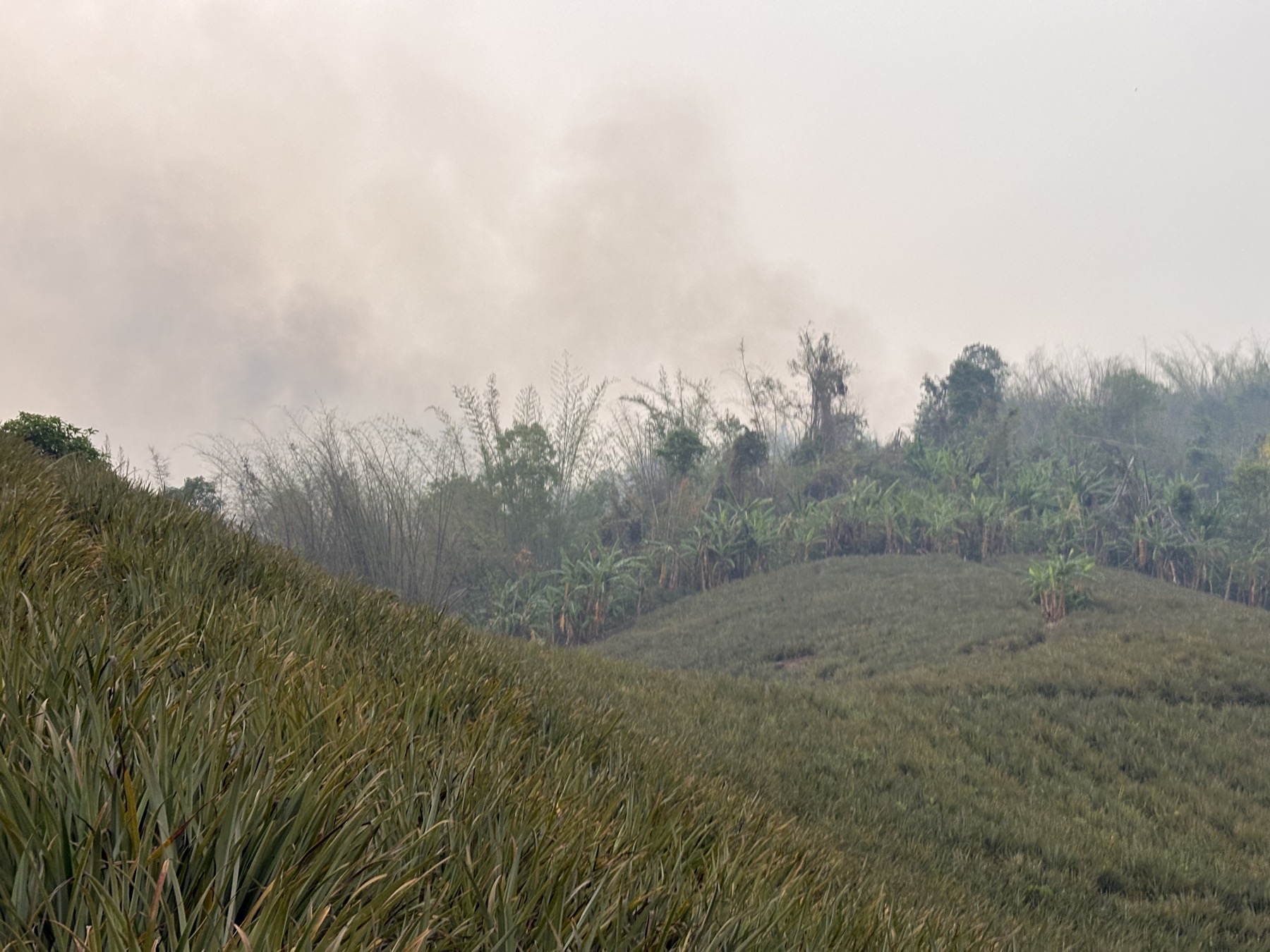
Smoky air over fields and hills.
Air pollution becomes actionable when communities can measure what they already see, smell, and breathe.

Community Story

We are convinced that change comes from the bottom up.

Luciano Lamaita, AirGradient community story

From Monitoring to Action

Data becomes useful when people can act on it.

Public access to air quality data is one of the strongest drivers of air quality improvement. Without data, it becomes difficult to identify pollution sources, help residents protect themselves, or hold decision-makers accountable.

Once data is public, understandable, and locally owned, communities can move from awareness to practical change. Monitoring does not solve every problem by itself, but it creates the evidence base for education, protection, advocacy, and better-targeted intervention.

The same principle applies beyond outdoor pollution. Indoor air, ventilation, mold risk, and airborne biological hazards also become easier to address when local partners have reliable evidence and practical communication tools.

Open Source and Open Data

Open source and open data infrastructure

We are building and stewarding open infrastructure that helps researchers, governments, and communities work with reliable environmental health data instead of isolated measurements.

One priority is an open indoor environmental health repository focused on air pollution, ventilation, thermal comfort, mold risk, and human exposure. This can accelerate research and make indoor environmental evidence more accessible for public benefit.

Open source and open data do not mean careless sharing. Indoor and institutional projects need responsible governance, privacy-aware design, transparent tools, and clear public-interest purpose.

Biosafety and Airborne Risk

Biosafety and airborne hazards

Air quality is our starting point. The same open monitoring systems, local capacity, data infrastructure, and ventilation knowledge that help communities reduce air pollution can also strengthen protection against airborne biological hazards.

Indoor air, ventilation, humidity, thermal comfort, mold risk, and airborne pathogens all shape health in homes, schools, healthcare facilities, workplaces, and public spaces.

We support research, sensing pilots, environmental surveillance, and practical assessment methods that help detect, understand, and reduce both chronic pollution exposure and emerging airborne health risks.

Support Beyond Equipment

Procuring and deploying monitors is only the first step.

Our goal is to transfer practical skills to local partners, so each network can become community infrastructure instead of a short-term equipment donation.

Technical support matters, but so do communication, advocacy, data interpretation, and responsible data governance. Communities need to understand what the evidence means, explain it clearly, and use it in local decisions.

1

Technical assistance

We support planning, setup, troubleshooting, maintenance, and the practical skills needed to keep monitoring networks useful over time.

2

Communication and advocacy capacity

We help partners interpret data, communicate risks, run awareness activities, and use evidence in education, advocacy, and public action.

3

Data governance

We support responsible public-interest data practices, especially when projects involve indoor spaces, institutions, or research partnerships.

4

Local ownership

We design support around local partners who can maintain networks, involve communities, and keep knowledge circulating after deployment.

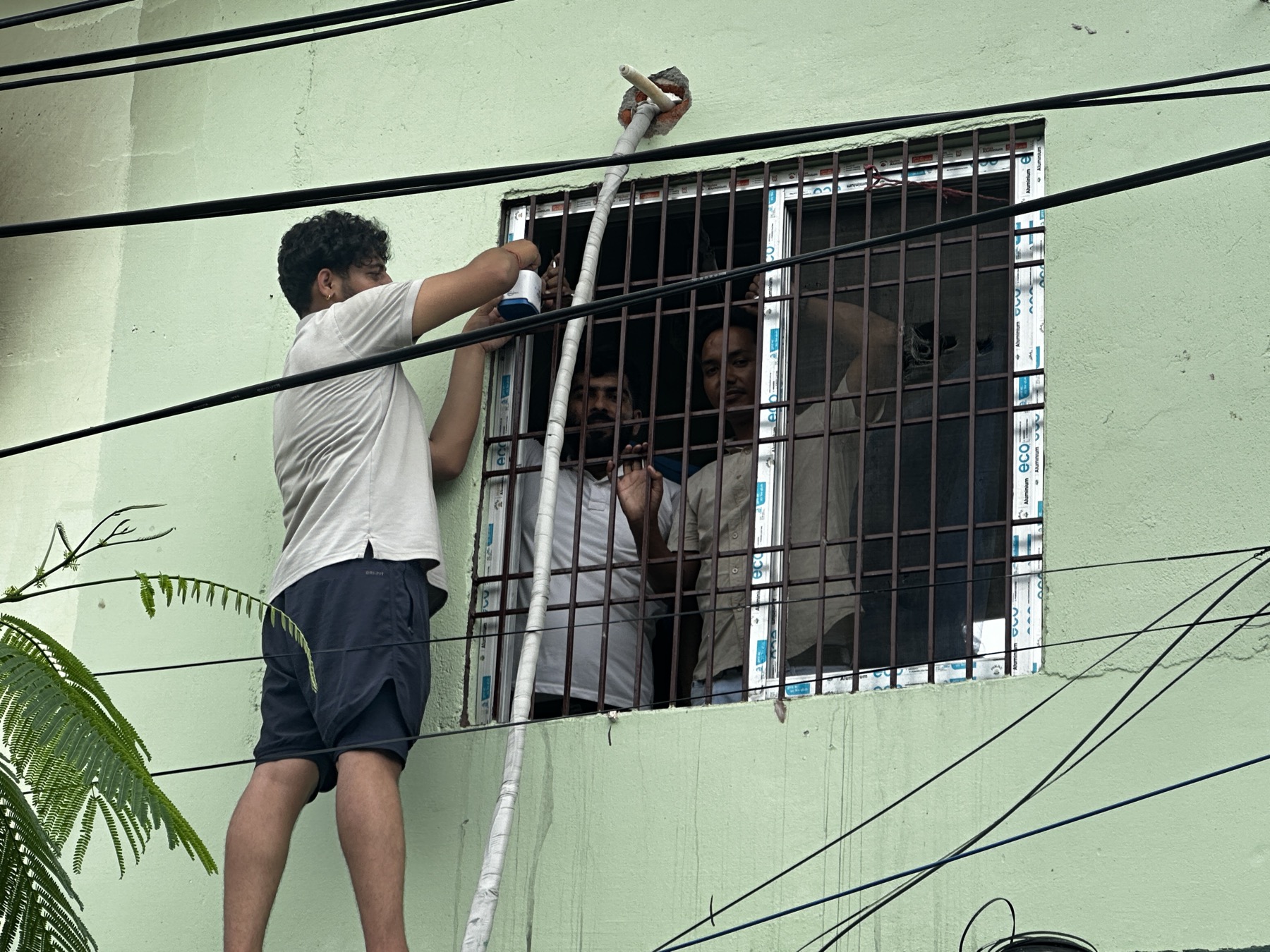
Community members installing an air quality monitor outside a building.
Monitor deployment works best when local teams learn how to plan, install, maintain, and use the network.

EPIC Report

A lack of technical resources also creates a dependency on foreign collaborators and consulting companies.

The Case for Closing Global Air Quality Data Gaps with Local Actors

Public-Interest Base

A practical base for public-interest work.

AirGradient has committed 5,000 monitors and USD 100,000 to kick-start the foundation. We plan to deploy 1,000 air quality sensors per year for the first five years, with a focus on underserved communities in low- and middle-income countries.

That commitment gives the foundation a practical base for community air quality monitoring. Donor funding can then support the work that makes technology useful: shipping, deployment, maintenance, training, data interpretation, communication, advocacy, research pilots, and open data infrastructure.

The foundation will also become the long-term guardian of AirGradient's open-source software, hardware, and firmware, helping ensure that these tools remain transparent, auditable, and useful for communities, researchers, and public-interest partners.

Funding Pathways

Practical funding pathways.

Community air quality monitoring funding can support shipping, deployment, maintenance, partner training, public communication, and local advocacy.

Open source and open data funding can support repository development, data governance, documentation, maintenance, testing, and long-term continuity for public-interest environmental monitoring technology.

Biosafety and airborne hazard funding can support sensing pilots, environmental surveillance, ventilation assessment, and practical methods for homes, schools, healthcare facilities, workplaces, and public spaces.

Contact us about donating

Online donations are coming soon. For now, contact us to discuss individual gifts, institutional support, or project-specific funding.

Where We Fit

We connect open technology, research, and local action.

We are not replacing national policy programs, research funders, public health agencies, or local NGOs. We sit between these systems, helping open technology and environmental health data become useful in real places.

Our role is to combine monitoring access, open source and open data, research partnerships, communication support, and community-level financial support.

This lets local organizations create evidence, understand it, communicate it, and use it in education, advocacy, research, and policy conversations.